Key Takeaways
- Homes built before 2000 face significant electrical risks from knob-and-tube wiring, aluminum connections, and outdated panels that can’t handle modern power demands
- Warning signs include flickering lights, warm or discoloured outlets, and frequent breaker trips. Additionally, the absence of GFCI protection in moisture-prone areas indicates a significant safety deficiency and a lack of modern code compliance
- Ontario Electrical Code requires GFCI and AFCI protection, with ESA permits mandatory for major electrical work
- Professional electrical inspections in Ontario typically cost between $150 and $350, depending on home size and inspection scope. This investment can prevent costly repairs while ensuring code compliance
- Modern 200-amp electrical panels significantly improve safety and increase home resale value compared to older 60-amp systems
Burlington homeowners living in older properties face unique electrical challenges that didn’t exist when these homes were first constructed. Understanding these risks and knowing when to seek professional help can prevent dangerous situations and costly emergency repairs.
Warning Signs Your Older Home Needs Electrical Attention
Older homes often communicate their electrical problems through subtle warning signs that homeowners shouldn’t ignore. Flickering lights represent more than a minor annoyance—they signal potential wiring issues or overloaded circuits. When lights dim or buzz, especially when large appliances start up, the electrical system struggles to meet power demands.
Warm or discoloured outlets and switches indicate dangerous overheating that can lead to fires. These temperature changes occur when connections loosen over time or when circuits carry more current than they were designed to handle. Professional residential electricians in Burlington regularly encounter these issues in homes over 20 years old.
Frequent circuit breaker trips suggest the electrical system works overtime to protect against overloads. While breakers perform their safety function, repeated tripping indicates underlying problems that require professional assessment. Two-prong outlets throughout the home reveal the absence of modern grounding protection needed for today’s appliances.
Why Knob-and-Tube Wiring Creates Fire Hazards
Knob-and-tube wiring, common in homes built from the late 1800s through the 1940s, presents serious safety concerns for modern households. This antiquated system lacks the safety features homeowners need today, creating multiple fire risks that worsen over time.
1. No Grounding Protection for Modern Appliances
Modern appliances require grounding protection to safely operate, but knob-and-tube systems provide no grounding path. Without this protection, electrical faults can energize appliance cases, creating shock hazards and increasing fire risks. Computers, kitchen appliances, and other sensitive electronics face damage from power surges that grounded systems would safely redirect.
2. Deteriorating Insulation Over Decades
The rubber and fabric insulation surrounding knob-and-tube wiring degrades significantly after decades of use. This deterioration exposes bare copper wires that can arc against building materials, igniting fires. Heat, moisture, and age cause insulation to become brittle and crack, eliminating the barrier between electrical current and combustible materials.
3. Inadequate Power Capacity for Today’s Demands
Knob-and-tube systems were designed for minimal electrical loads—primarily lighting and small appliances. Today’s households demand substantially more power for air conditioning, multiple electronics, and modern kitchen appliances. This mismatch forces the old wiring to carry dangerous current levels, significantly increasing fire risks.
Aluminum Wiring Problems in 1960s-1970s Burlington Homes
Many Burlington homes built during the 1960s and 1970s contain aluminum wiring that seemed cost-effective during the copper shortage of that era. However, aluminum’s physical properties create ongoing safety concerns that homeowners must address.
Connection Failures From Oxidation
Aluminum wiring oxidizes when exposed to air, forming a coating that resists electrical flow. This oxidation occurs at connection points—outlets, switches, and junction boxes—where increased resistance generates heat. Over time, these connections loosen further, creating a dangerous cycle of increased resistance and higher temperatures.
Overheating at Outlets and Switches
The expansion and contraction characteristics of aluminum differ significantly from copper, causing connections to work loose over years of thermal cycling. Loose connections create high-resistance points that generate excessive heat, potentially igniting surrounding materials. Homeowners often notice warm outlet covers or burning smells near switches before more serious problems develop.
Ontario Electrical Code Requirements for Older Properties
The Ontario Electrical Safety Code establishes mandatory standards for electrical installations, with specific requirements that affect older homes during renovations or updates. Understanding these requirements helps homeowners plan necessary upgrades while ensuring compliance.
GFCI Protection in Moisture-Prone Areas
Ground Fault Circuit Interrupters (GFCIs) are mandatory in kitchens, bathrooms, laundry rooms, and outdoor areas where moisture increases electrical shock risks. These devices detect current imbalances and shut off power within milliseconds, preventing electrocution. Older homes typically lack GFCI protection, requiring updates during renovations or electrical work.
AFCI Requirements for Living Spaces
Arc Fault Circuit Interrupters (AFCIs) must protect most living spaces and bedrooms according to current Ontario codes. These devices detect dangerous arcing conditions that standard breakers miss, shutting off power before fires start. AFCI protection addresses one of the leading causes of electrical fires in residential properties.
When ESA Permits Are Required
The Electrical Safety Authority requires permits for major electrical work, including panel upgrades, new circuits, and significant wiring changes. Licensed electricians handle permit applications and ensure work meets current code standards. ESA inspections verify compliance before final approval, protecting homeowners and future buyers.
Electrical Panel Upgrades: From 60 Amps to Modern Standards
Electrical panels serve as the heart of home electrical systems, distributing power throughout the property while providing overcurrent protection. Older panels often struggle to meet contemporary power demands, creating safety concerns and limiting functionality.
Why 200 Amps Is the Modern Standard for Today’s Electrical Demands
Modern households typically require 200-amp service to safely operate air conditioning, electric vehicles, kitchen appliances, and multiple electronic devices simultaneously. Older homes often feature 60-amp or 100-amp panels that cannot handle these loads without overloading circuits. The increased capacity provides safety margins while supporting future electrical needs.
Contemporary appliances demand more power than their predecessors, with electric vehicle chargers alone requiring dedicated 40-50 amp circuits. Smart home technology, home offices, and entertainment systems add additional electrical loads that older panels cannot accommodate safely.
Safety and Resale Value Benefits
Panel upgrades eliminate fire risks associated with overloaded circuits while providing modern safety features like AFCI and GFCI protection. These improvements significantly improve home safety while meeting insurance requirements and building codes. Real estate professionals consistently report that updated electrical systems increase property values and appeal to potential buyers.
Modern panels include better labelling, easier maintenance access, and improved reliability compared to older fuse boxes or early breaker panels. These features benefit homeowners during routine maintenance while simplifying troubleshooting for electrical professionals.
Professional Electrical Inspections for Burlington Homeowners
Regular electrical inspections provide needed safety assessments for older homes, identifying problems before they become dangerous or expensive to repair. Professional inspectors examine all system components to ensure safe, code-compliant operation.
What to Expect During Assessment
Electrical inspections begin with panel assessment, examining breakers, connections, and overall condition. Inspectors test GFCI and AFCI devices, verify proper grounding, and assess outlet conditions throughout the home. They examine visible wiring for damage, proper installation, and code compliance.
Inspectors use specialized equipment to measure electrical loads, test circuit integrity, and identify potential safety hazards. The assessment includes outdoor electrical components, service entrances, and any detached structures with electrical service. Written reports detail findings and recommend necessary repairs or upgrades.
Typical Costs in Ontario
Electrical inspection costs in Ontario typically range from $150 to $350, depending on home size and inspection scope. This investment provides valuable information about electrical system condition while identifying potential problems early. Inspection costs prove minimal compared to emergency repairs or fire damage from undetected electrical problems.
Many electricians offer inspection services as part of broader electrical assessments, providing homeowners with detailed evaluations of their electrical systems. These evaluations help prioritize necessary work while budgeting for future electrical improvements.
Crown Electric Ltd Ensures Code Compliance and Safety
Professional electrical contractors understand the complexity of older home electrical systems and the importance of proper upgrades. Experienced electricians assess existing conditions, recommend appropriate solutions, and ensure all work meets current Ontario Electrical Safety Code requirements.
Working with qualified professionals ensures electrical improvements improve safety while meeting regulatory requirements. Licensed electricians handle permit applications, coordinate inspections, and guarantee work quality through proper insurance and bonding. Their expertise prevents costly mistakes while ensuring electrical systems operate safely for years to come.
Quality electrical contractors provide detailed assessments, clear explanations of necessary work, and transparent pricing for recommended improvements. They prioritize safety while helping homeowners understand their electrical systems and make informed decisions about necessary upgrades.
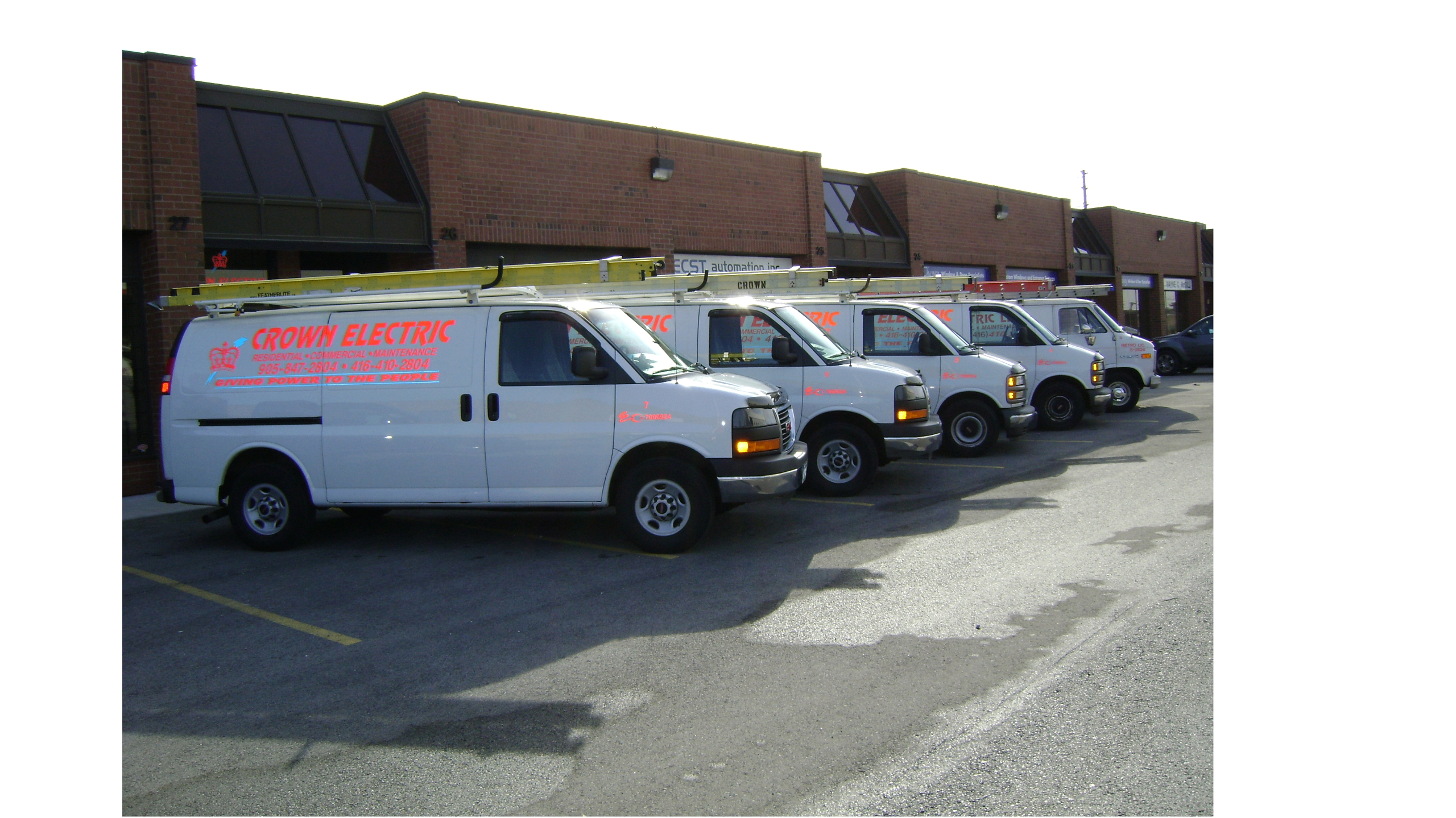
For professional electrical services and expert guidance on older home electrical systems, Crown Electric Ltd provides Burlington homeowners with professional electrical solutions and code-compliant installations.
Crown Electric Ltd
2345 Wyecroft Rd Unit #27
Oakville
ON
L6L 6L8
Canada


